
Scroll
Welcome to your monthly snapshot of the facts, figures, opinions, trends and challenges shaping the development of femtech.
Our monthly tracker aims to give busy professionals working in women’s health and technology a concise update on the many factors influencing their work.
Here you will find a breakdown of the deals, developments and opportunities from the last 30 days, along with insight and opinion from leading thinkers in the field.
We hope you find something useful or inspiring below, and we welcome any feedback on what else you’d like to see included. Don’t forget you can find daily updates on the femtech sector on our website.
Many thanks for your interest in FemTech World.


Value: US$30 million, bringing total funding to US$75 million.
Stage: Growth funding round.
Solution: New York-based Allara provides integrated virtual healthcare for women experiencing hormonal, metabolic and reproductive conditions, including PCOS, perimenopause and thyroid disorders. Its model combines specialist medical care with ongoing support and uses AI to help personalise treatment. The company has served more than 120,000 women and plans to expand its technology, research and partnerships with healthcare organisations.
Investors: Existing investors Index Ventures and GV (Google Ventures), alongside new investors Camino Partners, Foreground Capital and Family Fund. Five existing investors increased their commitments.
Significance: One of the largest disclosed women’s health investments in October, demonstrating investor appetite for integrated care models addressing conditions traditionally underserved by healthcare systems. The funding also highlights the growing role of AI and insurance-backed services in scaling specialist women’s healthcare.

Value: US$40 million
Stage: Series B funding round
Solution: At-home vaginal health testing brand that helps treat conditions including UTIs and perimenopause, and which is now using its dataset of 100,000 patients’ vaginal microbiomes to research women’s health more broadly. Its research will focus on fertility first, including a project testing whether markers of infection and inflammation predict IVF implantation success or failure.
Investors: Catalio Capital Management (lead), a firm that invests in novel diagnostics.
Significance: Shows a consumer femtech company turning its patient data into a research asset. CEO Priyanka Jain said growth-stage investors have not all caught up with women’s health as a category, and that many wanted Evvy to choose between being a consumer or a biotech business. Its decision to pursue both could become a model for other data-rich femtech brands
Value: €2.96 million.
Stage: Seed funding round.
Solution: London-based Unravel Health is developing a palm-sized diagnostic device called Micro Lab, designed to measure multiple hormones from a saliva sample within minutes. The technology aims to give women easier access to hormonal information outside traditional laboratory settings, potentially supporting fertility and wider reproductive health monitoring.
Investors: Conduit EIS Impact Fund and Wrightwood, alongside Leo Capital, Embryo Ventures, Hermesa and Zinc VC.
Significance: A promising UK femtech investment highlighting growing interest in portable, at-home diagnostics. By bringing hormone measurements closer to consumers, the technology could help address gaps in women’s access to timely testing, although clinical validation and commercial adoption will be important.

Value: C$3.5 million.
Stage: Seed funding round.
Solution: Canadian startup Sprout Family provides infrastructure enabling employers and benefits brokers to offer fertility and family-building support to employees. Its business-to-business platform is designed to make reproductive healthcare benefits more accessible through workplace schemes.
Investors: BDC Thrive Venture Fund (lead), with participation from Accelia, MaRS Investment Accelerator Fund, StandUp Ventures and The51.
Significance: The investment reflects increasing recognition of fertility support as an employee benefit rather than solely a consumer-funded healthcare service. Employer-backed distribution could help reproductive health startups reach larger populations while creating more predictable commercial relationships.

Value: US$3.2 million.
Stage: Oversubscribed pre-seed funding round.
Solution: San Francisco-based Collective X Health is building a business-to-business women’s health intelligence platform. It provides access to peer-reviewed research on female physiology through an API, allowing other companies to incorporate sex-specific scientific evidence into their products and services. The founding team includes exercise physiologist Dr Stacy Sims.
Investors: The Council and Anthemis Female Innovators Lab Fund.
Significance: An investment in the underlying data and research infrastructure of women’s health rather than a conventional consumer-facing femtech product. The approach reflects demand for better female-specific evidence in healthcare, fitness and technology development, particularly where products have historically relied heavily on research involving men.
Value: US$9 million.
Stage: Follow-on financing after its Series A.
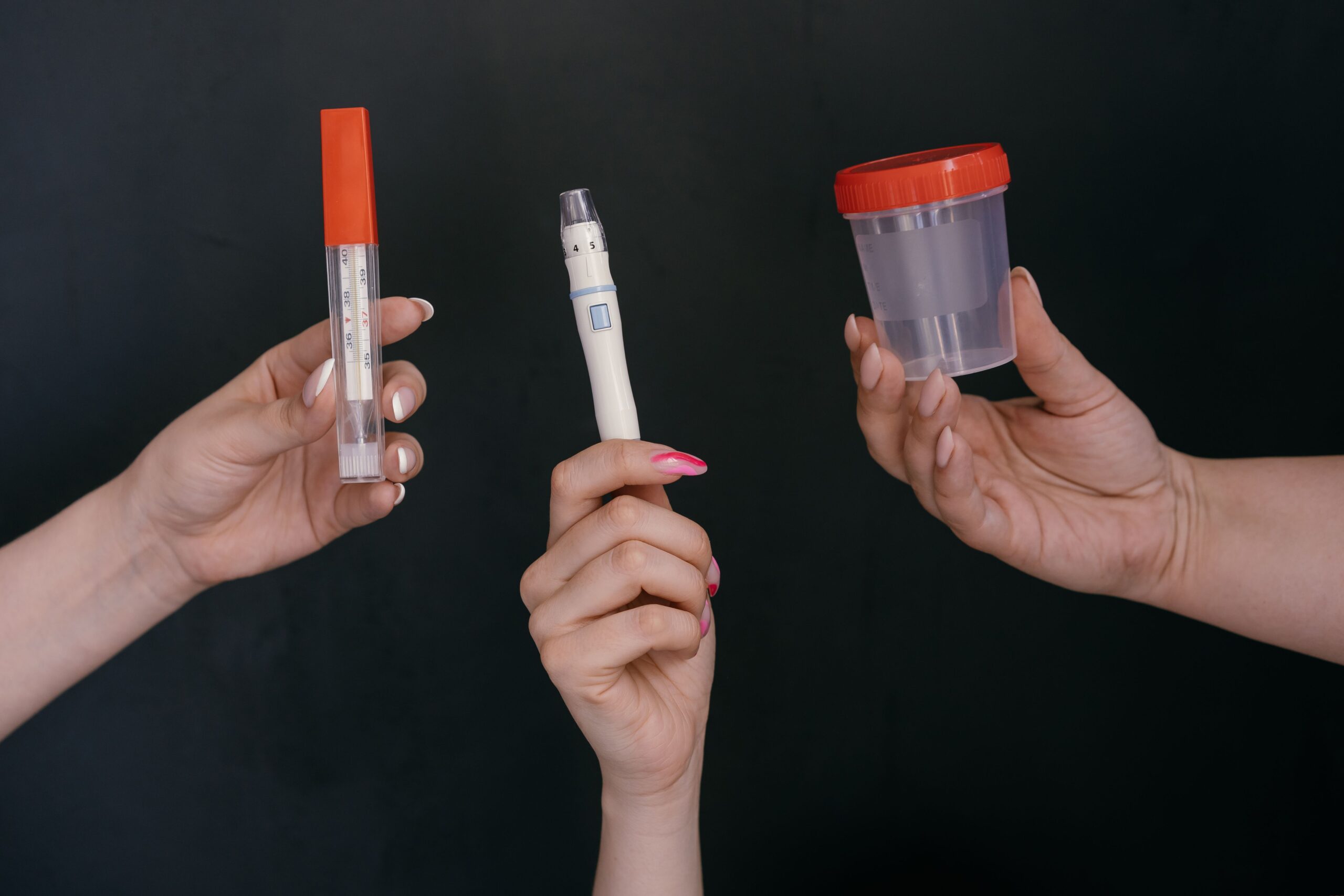
Solution: New York-based Biotia develops advanced diagnostic tests for difficult-to-diagnose and recurrent urinary tract infections. Its BIOTIA-ID Urine Test uses genetic sequencing to identify pathogens associated with complicated and treatment-resistant infections. The company plans to expand its women’s health diagnostics portfolio, pursue reimbursement and increase capacity at its New York laboratory.
Investors: VillageMD co-founders Tim Barry and Dr Clive Fields, Convergent Ventures, DigitalDx Ventures, Cloquet Capital Partners, Continuum Health Ventures, I-Lab Angels, EGB Capital, Leawood Venture Capital, Red Bear Angels and Red Bear Ventures.
Significance: The funding highlights investor interest in precision diagnostics for conditions that disproportionately affect women. Recurrent UTIs can be difficult to diagnose and treat, creating opportunities for technologies that identify pathogens missed by conventional testing. Biotia’s expansion also demonstrates the potential for women’s health innovations to have applications across other medical specialties.

Value: £600,000.
Stage: Oversubscribed seed funding round.
Solution: Edinburgh-based GLORIAH develops intimate wellness products targeting vaginal dryness and related discomfort, including lubricants and moisturising oils. Founded in 2021 by Jessica-Rose Watson and Isla Wynne Thomas, the company has expanded into functional fragrances marketed for energy, mood and sleep. The investment will support retail expansion through Boots.com and QVC UK, alongside entry into the US market.
Investors: Gabriel Investment Syndicate (lead), Highland Venture Capital, Investing Women Angels, Apollo and Scottish Enterprise.
Significance: The investment demonstrates growing commercial interest in products addressing intimate health concerns that have historically received limited attention from mainstream consumer brands. GLORIAH’s expansion into major retail channels also reflects opportunities for smaller femtech businesses to move beyond specialist online audiences and establish an international presence.


Value: Undisclosed
Deal type: Strategic acquisition / precision diagnostics
Solution: Barcelona-based Reveal Genomics develops genomic diagnostic tests designed to help clinicians personalise cancer treatment. Its HER2DX test supports treatment decisions for patients with HER2-positive breast cancer. The acquisition will bring these capabilities together with Hologic’s existing oncology diagnostics portfolio, including the Breast Cancer Index test, which helps guide decisions about extended endocrine therapy.
Acquirer: Hologic, the US-based women’s health technology company specialising in breast health, diagnostics and medical technologies.
Significance: The deal strengthens Hologic’s position in precision oncology, extending its capabilities beyond breast cancer detection into treatment selection. By combining genomic tests covering different breast cancer subtypes, Hologic aims to help clinicians make more individualised treatment decisions. It also reflects the growing commercial importance of molecular diagnostics in women’s cancer care.

Value: Undisclosed
Deal type: Strategic brand acquisition / consumer women’s health
Solution: DonnaPlus is a Spanish women’s health brand previously owned by Laboratorios Ordesa. Its portfolio includes consumer health products addressing fertility, intimate wellbeing, pregnancy, maternity and menopause. The transaction transfers the brand to Aristo Pharma, alongside specialist commercial expertise, while Ordesa continues to focus on its nutrition business.
Acquirer: Aristo Pharma Group, a German pharmaceutical company operating internationally, together with its Spanish subsidiary Aristo Pharma Iberia.
Significance: The acquisition expands Aristo’s presence in the Spanish women’s health market and illustrates pharmaceutical companies’ increasing interest in consumer-focused products for different stages of women’s lives. Rather than acquiring an entire company, Aristo is purchasing an established brand with existing distribution and market recognition, providing a route to growth in fertility, menopause and intimate health.

Value: US$210 million in cash, plus the value of inventory at closing.
Deal type: Strategic acquisition / reproductive genetics carve-out
Solution: Labcorp will acquire Myriad Genetics’ Prenatal Health testing business, including the Prequel prenatal screen, Foresight carrier screen, SneakPeek early foetal sex test and FirstGene prenatal screening test. The portfolio has been used by more than 600,000 patients over the past year. Labcorp expects the acquired business to contribute approximately US$160 million in revenue during its first year.
Acquirer: Labcorp, the US-based diagnostics and laboratory services company with an established women’s health testing portfolio.
Significance: The acquisition is another major move by Labcorp into reproductive and women’s health diagnostics, announced just five days after its agreement to purchase selected BioReference Health assets. For Myriad, the sale will release capital to support its focus on cancer diagnostics and precision medicine. For Labcorp, the deal provides an established reproductive genetics portfolio that can be distributed through its national laboratory network. Expected to close by early 2027, the transaction highlights how prenatal screening is becoming an increasingly important area of consolidation in healthcare diagnostics.

Value: Undisclosed
Deal type: Strategic acquisition / fertility clinic consolidation
Solution: Santa Barbara Fertility Center is a California-based fertility treatment provider acquired by Ivy Fertility as part of its nationwide expansion. The acquisition extends Ivy Fertility’s network to 17 practices operating across 30 locations in nine US states, supporting its provision of assisted reproduction and family-building services.
Acquirer: Ivy Fertility, a US fertility clinic network providing reproductive medicine and family-building care.
Significance: The acquisition illustrates continued consolidation of the US fertility services market, as larger clinic networks expand through the purchase of established regional providers. For Ivy Fertility, the deal strengthens its geographical presence and adds another practice to its growing national network. The transaction also reflects the appeal of fertility clinics as acquisition targets, with established patient referral relationships, specialist medical expertise and laboratory infrastructure providing opportunities for larger operators to expand their services.

Reported: 29 September 2026 (acquisition completed 2 June 2026)
Value: Up to US$28 million
Deal type: Strategic brand acquisition / consumer women’s health
Solution: Venture Life Group acquired FemiClear and CUROXEN from OrganiCare Nature’s Sciences. FemiClear is a US intimate health brand offering products addressing bacterial vaginosis, genital herpes, thrush and urinary tract infections. The brands have established distribution through major retailers including Walmart, Walgreens, CVS and Target. Together, they generated approximately US$12.1 million in annual revenue, with FemiClear accounting for around 98 per cent of the portfolio’s financial performance.
Acquirer: Venture Life Group, a UK-based consumer healthcare company whose women’s health portfolio includes Health & Her and Balance Activ.
Significance: The acquisition strengthens Venture Life’s position in the US women’s intimate health market and expands its product range into additional gynaecological treatment categories. The deal comprises US$23 million paid upfront and up to US$5 million in performance-related payments. It demonstrates how established consumer healthcare companies are using acquisitions to expand their presence in women’s health, particularly through brands with existing retail distribution and established customer bases.

We asked leaders and innovators working across women’s health to share their views on a fundamental question:
What responsibility does the industry have to make sure innovation doesn’t just serve the most privileged users?
Here’s what they told us.
Shari B. Kaplan, LCSW, founder and clinical director of Cannectd Wellness
When I think about innovation in mental health, I ask: Who is this helping? If we build only for people who already have time, money, and access to care, we miss those who may need support most.
Someone worried about food, housing, or affording treatment needs something different from someone seeking to optimise an already stable life. We need to understand each person’s whole ecosystem and include diverse voices when designing affordable tools.
Technology can reveal patterns, organise care, and support connection between sessions. But it has limits. Most times, healing requires another human being, present with clinical wisdom, warmth, and compassion.
Dr Amy Reichelt, chartered psychologist (PhD) and psychotherapist, working as an Amble Health Advisor
Healthcare innovation only fulfills its promise when equity is considered from the very beginning.
That means ensuring women are adequately represented across the entire research pathway, from preclinical models and early clinical trials through to larger studies and real-world evidence, so innovations are designed around their biology and lived experiences.
The industry also has a responsibility to consider who can ultimately access and benefit from these advances, addressing cost, geography, health literacy, and stigma.
Innovation should reduce inequity, not reinforce it. Progress should be measured not only by what we develop, but by who was studied and who meaningfully benefits.
Ruby Raut, founder and CEO of WUKA:
Periods affect half the world’s population for around forty years of their lives. So if a better period product only reaches women who can comfortably spend £30 on a pair of pants, we haven’t disrupted anything. We’ve just created another luxury.
When we launched WUKA as the UK’s first period underwear brand, a pair cost £29.99, and 20% of that was VAT, because period pants were taxed as clothing rather than as a period product. We campaigned for five years, met 70 MPs and three Prime Ministers, and in January 2024 that tax was removed. Today our underwear starts from as little as £10.
That journey taught me something every femtech founder needs to hear. Price isn’t just a commercial decision; it’s a policy decision, a manufacturing decision and a values decision. And scale is what makes affordability possible. The more people adopt a product, the cheaper it becomes to make, and the more people it can reach.
Femtech is still a young industry. Women’s health has been underfunded, underinvested in and understudied for generations. We have a rare chance to build this industry differently, with access designed in from day one rather than trickling down later.
My vision is simple. Every girl, in every school, in every country, should grow up understanding her body and having products that work for her, whatever her family earns. That’s the market femtech should be building for.
Toni Waterfall, co-founder, Extracted
We cannot claim to be transforming women’s healthcare if we’re only transforming it for women who can afford it.
As we prepare to launch Utee as a standalone brand focused on urinary tract health, we’re working to make advanced laboratory testing more accessible to women who have too often struggled to get answers.
But better diagnostics are only part of the solution.
We must also consider the affordability of testing, access to appropriate treatment and the inequalities that can arise when innovation sits outside the traditional healthcare system.
Founders and investors have a responsibility to think beyond early adopters and affluent consumers. True progress isn’t just about what technology makes possible, but who can realistically benefit from it.
Chess Howard, founder and CEO, Vita Panacea
The industry has a responsibility to build for the people most likely to be excluded, not just the easiest to sell to.
That means testing with older patients, carers and those on lower incomes, designing for poor eyesight, low digital confidence or no smartphone, and planning wider access from day one.
Whilst specialising in Healthcare and Life Sciences within the Lloyd’s of London market, I structured risk transfer for international clinical trials and saw whole groups left out of the evidence.
Tech is repeating that mistake at speed. If innovation only works for the comfortable, it isn’t progress, it’s a premium product.
Yahel Halamish, Partner at healthtech VC, Nina Capital
Many founders, especially in women’s health, start where the revenue is. That’s how it should be, but what’s not acceptable is building evidence that only works for this one population. In healthcare, innovation for the few carries an actual risk of not providing quality care for the majority.
It’s a chicken-and-egg problem, where reimbursement follows evidence, evidence needs scale, and scale needs access. So everyone owns a piece.
Regulators can break this cycle the fastest by aligning incentives better, but the industry builds the evidence. As investors, we answer to our LPs, and our core responsibility is to back success stories.
These will later be role models for future generations of entrepreneurs. Revenue builds a business, but evidence builds a long-term moat, and successful founders need both from day one.
Eugene Formaniuk, founder and CEO of Carebits
FemTech should be judged not only by what it invents, but by whom it reaches.
In Poland and Ukraine, including during the war, we’ve seen why home fetal monitoring matters when hospitals are far away or overwhelmed. But technology alone cannot create equal access.
It must be clinically evaluated, affordable and integrated into public healthcare. If innovation only serves women who can pay privately, we are digitizing inequality rather than reducing it.
Gigi Kenneth, founder, Asele
I think the femtech industry has a responsibility to make sure the solutions we build don’t only work for women with expensive smartphones, reliable internet access or the ability to pay for subscriptions.
I think innovation should reflect the circumstances of the women it’s meant to serve, including differences in language, health literacy, cultural context, income and access to healthcare.
As founders, I believe we should involve underserved communities, as they need access to care the most; making accessibility a priority, and we should try to question whose experiences our data represents.
Melanie DeFilippis, founder, Hello Joan
The responsibility of the industry is to give innovators and their intended markets the opportunity to demonstrate impact first, and then work toward identifying a sustainable path for continuity and profitability without compromising the intended market.
The industry should support and prioritise visibility for innovative solutions that demonstrate impact, rather than premature assessments of profitability forecasts.
The industry has a responsibility to evaluate innovations based on demonstrations of who it can help, what problems it can solve, and how it will create a meaningful impact.
Shifting to this prioritisation anchors innovation to its intended users and markets and helps remove the trap of pursuing profitability through privileged user acquisition.
Susan Sly, founder and CEO, Step Into Your Power
The industry’s responsibility begins with the data. Building AI on datasets that have traditionally excluded women risks reproducing inequity at scale.
As a featured expert in The M-Factor 2, I discussed data disparities, including the implications for wearable technology.
Darker skin tones, as an example, remain underrepresented in wearable validation. We cannot assume these tools serve everyone equally.
Founders and investors must fund representative data collection, validate performance across populations, and make access affordable.
Women should not have to fit the dataset to benefit from innovation. The responsibility is ours to build technology that reflects the women we intend to serve.
Sylvia Kang, Founder and CEO, Mira
I think the biggest privilege in women’s health shows up in two places: who gets answers first, and whose data defines the answer.
Products learn from the women who can afford them, so algorithms build “normal” around a narrow group that may be younger, wealthier, or trying to conceive.
Everyone else waits longer and gets tools that fit them less well.
The industry’s responsibility is to close both gaps: fund research on underrepresented women, from perimenopause to irregular cycles, and design for the woman who doesn’t yet know what to ask.
The women we’ve missed should shape what comes next.
Carolyn Wheeler, co-founder and CEO, Vella Bioscience
I think we have to keep asking ourselves: Who are we leaving out?
A woman shouldn’t need a certain income, access to a specialist or hours of research to understand her body and find support.
Our responsibility goes beyond making a product.
It means listening to more women, making information easier to understand and thinking about affordability from the start. Feeling comfortable in your body and experiencing pleasure shouldn’t be a privilege.
Lisa Loud, CEO of DEPH Labs
Advanced healthcare should be within reach of everyone, whatever their income.
The industry has a responsibility to make it accessible, affordable and useful, which means designing technology around the needs of real people instead of assuming they have the money or technical knowledge to keep up with it.
Trust is just as important as access.
People should hold direct control over their biological data, with granular permissions and programmable consent they can change whenever they choose, and that kind of control should come without sacrificing ease of use, because privacy and usability can and should work together.
AI can make healthcare far more efficient, but keeping a human in the loop is what ensures the technology supports people’s judgment instead of quietly replacing it.






Researchers at Weill Cornell Medicine and the University of Massachusetts Amherst have received a five-year, US$13.1 million National Institutes of Health grant to develop bacteria-based treatments for drug-resistant triple-negative breast cancer.
The project will engineer non-toxic strains of Salmonella bacteria capable of delivering three different cancer treatment approaches directly to tumours.
Dr Sarah Cheal, an assistant professor at Weill Cornell Medicine, will receive US$2.7 million of the funding to investigate how the bacteria could deliver radiopharmaceutical therapy.
The research aims to overcome limitations in treating aggressive breast cancers that no longer respond to existing therapies.
The grant is described as the NIH’s first of its kind for bacteria-based cancer treatments.
If successful, the technology could offer a new way to target difficult-to-treat tumours while reducing damage to healthy tissue.

The University of Virginia has received a five-year, US$2.6 million National Institutes of Health grant to investigate reproductive health outcomes among women with disabilities.
Led by nursing researcher Jeanne Alhusen, the project will examine how access to healthcare, socioeconomic circumstances, food insecurity and other structural factors contribute to inequalities in reproductive and maternal health.
The funding comes from the Eunice Kennedy Shriver National Institute of Child Health and Human Development.
Previous research by Alhusen and colleagues found that women with disabilities were two and a half times more likely to experience problems including depression and intimate partner violence during pregnancy, despite being less likely to receive screening for these risks.
The new study aims to identify the factors driving these disparities and generate evidence that could inform more accessible, equitable reproductive healthcare services and interventions.

The University of Aberdeen and NHS Grampian have secured £2.4 million from the National Institute for Health and Care Research to investigate a remotely delivered pain management programme for women with endometriosis.
The UK-wide clinical trial will evaluate whether a tailored digital programme can improve quality of life for women whose symptoms remain inadequately controlled by surgery or medication.
Endometriosis affects approximately one in ten women and can cause persistent pelvic pain, fatigue and fertility problems.
Existing treatments often provide only temporary relief, with pain returning in up to half of patients within five years of surgery.
The new endometriosis-specific Pain Management Programme, known as e-PMP, aims to provide a more sustainable approach to managing chronic symptoms.
Its remote delivery could also make specialist support more accessible to women unable to attend regular hospital appointments.

Cardiff University has received £233,652 from Health and Care Research Wales to investigate whether community pharmacists could take a greater role in providing menopause care.
Led by Professor Emma Kidd, the MENOPHARM study will examine the feasibility, acceptability, safety and costs of delivering menopause support through community pharmacies, including prescribing hormone replacement therapy to women considered at low risk.
The project aims to generate evidence about whether pharmacy-led services could offer an alternative route to menopause treatment and reduce reliance on GP appointments.
Researchers will assess the practical requirements of introducing the model, alongside its potential benefits and limitations for patients and healthcare providers.
The funding forms part of a wider programme of Welsh health research awards supporting clinical innovation and service improvement.
The project began on 1 October 2026 and could help inform future approaches to making menopause treatment more accessible.
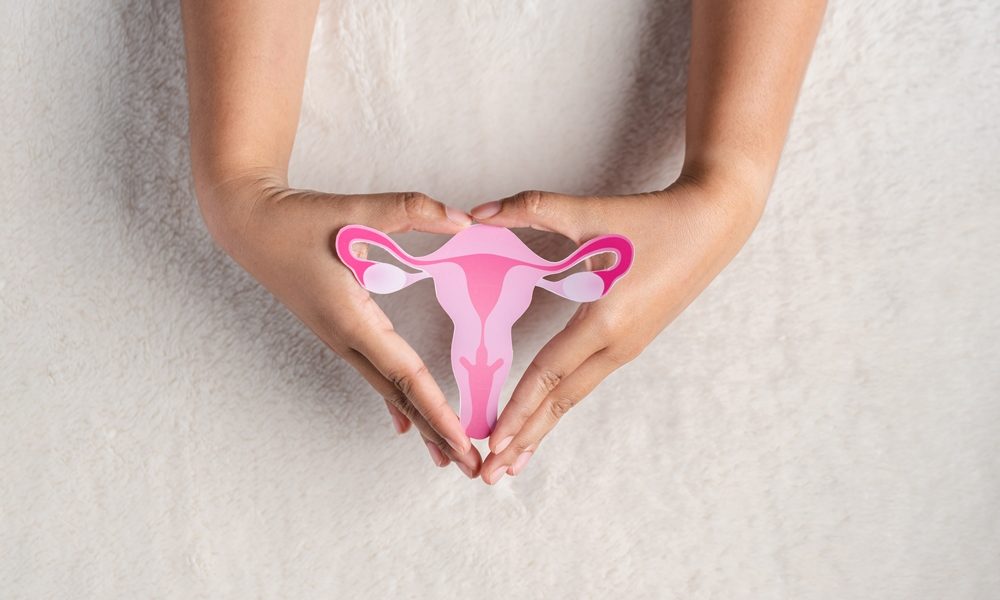
A University College London researcher has been awarded a five-year Royal Academy of Engineering Research Fellowship to develop a soft robotic alternative to the speculum used in cervical screening.
Dr Aoife McDonald-Bowyer is developing a device using flexible materials controlled by air or fluid, designed to make cervical examinations more comfortable and accessible.
The funding will allow researchers to build on an existing proof of concept and progress towards first-in-human studies.
The technology could also support earlier cervical cancer detection in low- and middle-income countries, where specialist equipment and trained clinicians are often unavailable.
Around 90 per cent of cervical cancer cases and deaths occur in these countries.
McDonald-Bowyer will collaborate with researchers in Tanzania to explore how the technology could be adapted for local healthcare settings.
The fellowship’s financial value was not disclosed in the announcement.


Period tracking app Clue has launched Get Care, a new service connecting users directly with healthcare providers across contraception, fertility, menopause, metabolic health and mental health.
The initiative brings together partners including Novo Nordisk, Hertility, Evaro, TwentyEight Health, Embla and Navicare. Users can access services through the Clue app, moving from tracking symptoms and menstrual cycles to seeking professional advice, testing and treatment.
Novo Nordisk is collaborating with Clue to improve understanding of metabolic health, particularly during perimenopause.

Feminai has partnered with virtual care provider Midi Health to pilot an at-home breast examination kit.
The collaboration will explore how the technology could support women in monitoring breast health outside traditional clinical settings.
Feminai is developing technology intended to make breast self-examination more accessible and consistent, while Midi Health provides virtual healthcare services focused on women navigating midlife and menopause.
The pilot represents an opportunity to investigate how home-based breast health tools could complement existing healthcare pathways and encourage women to become more familiar with changes in their bodies.
The partnership also reflects growing interest in combining physical health monitoring devices with digital clinical services. However, at-home breast examination technologies are not replacements for established breast cancer screening programmes or diagnostic assessments.

US digital pharmacy platform TelyRx has partnered with Irish women’s wellness brand SISTERLY to expand its range of menopause products.
Under the agreement, TelyRx will become the first US pharmacy partner to offer SISTERLY’s flagship supplement, The Elevator, alongside its existing prescription menopause treatments.
The daily multivitamin was developed in collaboration with doctors, nutritionists, scientists and women’s health specialists to provide nutritional support for women navigating perimenopause and menopause.
TelyRx connects patients with licensed healthcare providers and delivers FDA-approved prescription medicines directly to their homes. The partnership aims to broaden the options available to women seeking support during midlife, combining prescription treatments with nutritional products through a single digital platform.
It also demonstrates how digital pharmacies are expanding beyond medication dispensing to offer wider women’s health and wellness services, although supplements are not substitutes for clinically indicated menopause treatments.
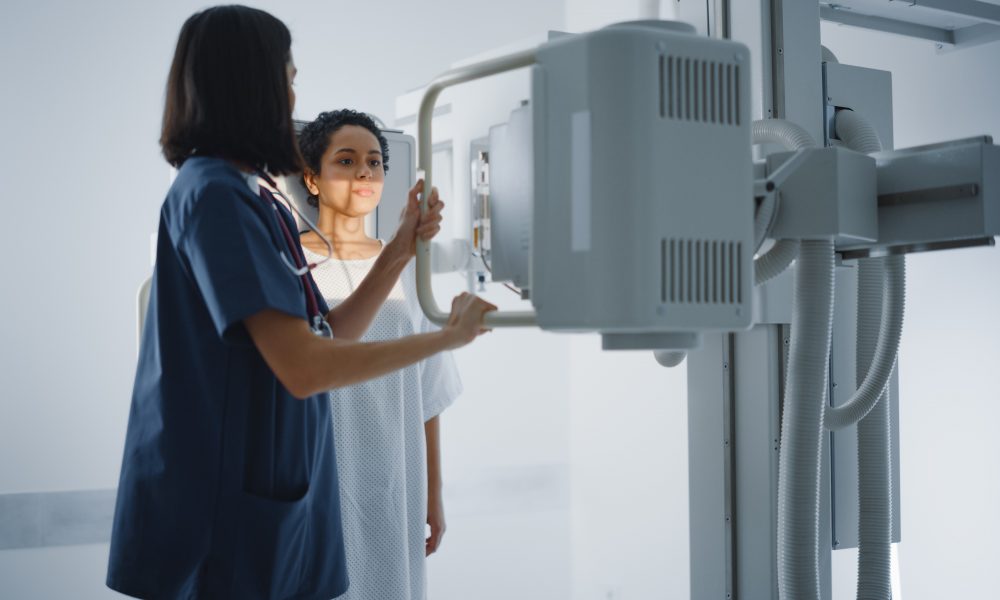
UK femtech startup Dotplot has partnered with London pharmacy John Bell & Croyden to gather women’s views on emerging breast health technology.
The collaboration will involve three focus groups taking place on 28 and 29 October, bringing together women from different ages and backgrounds to discuss breast health, accessibility and the support they would value.
Dotplot is developing a handheld device designed to make breast self-checks more consistent and help women recognise changes in their bodies.
Each 90-minute session will explore attitudes towards breast health technology and how new products could better meet women’s needs. The initiative coincides with Breast Cancer Awareness Month and aims to incorporate women’s experiences into product development.
The partnership highlights the importance of user-centred design in femtech, particularly for technologies intended to support preventative health behaviours and earlier engagement with healthcare services.


US fertility medication provider Freedom Fertility Pharmacy has notified customers of a data breach after an employee accidentally sent sensitive patient information to an unauthorised recipient.
The incident occurred on 19 September and was discovered three days later, with notification letters issued on 7 October.
The exposed information potentially included patients’ names, email addresses and medical diagnoses or conditions. According to a filing with Massachusetts regulators, 15 residents of the state were affected, although the total number of individuals involved was not disclosed.
Freedom Fertility, which operates under Lynnfield Drug and is part of Evernorth, said its privacy office investigated the incident and took corrective action, including disciplinary measures against the employee responsible.

Nottingham University Hospitals NHS Trust has apologised after accidentally overwriting a maternity records database containing information relating to women and babies who received care between September 2011 and November 2022. The incident occurred on 18 August during a routine technical process and was publicly reported in September.
The trust said most of the information had been recovered, but it had been unable to restore records showing who accessed patients’ medical information during the 11-year period. The loss was attributed to human error rather than a cyberattack.
The incident has raised concerns about data management and accountability within maternity services, particularly given the importance of maintaining reliable records of access to sensitive medical information. The trust is already the subject of scrutiny over historical maternity care failures. The case demonstrates how technical mistakes can compromise healthcare data integrity even when no external hacking is involved.

US specialist provider Mid Atlantic Gynecologic Oncology and Pelvic Surgery Associates has been named in an alleged ransomware attack involving approximately 163,721 records. The NetRunner cybercrime group claimed responsibility for the incident in October, although the healthcare organisation has not publicly confirmed the breach.
The potentially affected information could include patients’ names, dates of birth, medical diagnoses, treatment histories, genetic information and insurance details. However, the estimated number of records and the nature of any exposed information remain unverified.
The practice provides specialist care for women with gynaecological cancers and other pelvic health conditions. Such records can contain particularly sensitive information relating to cancer diagnoses, reproductive health and genetic risk. Security researchers have warned that the alleged incident illustrates the potential consequences of cyberattacks targeting specialist healthcare providers, where stolen medical information could expose patients to privacy violations, identity theft and targeted fraud.

Alabama Woman’s Health Care, a US medical practice providing women’s healthcare, wellness and aesthetic services, has been linked to a ransomware incident reportedly involving the theft of patient and employee information. Details of the incident emerged in September, with the cybercrime group Emperador identified as the alleged attacker.
According to a breach report published on 22 September, the group claimed to have obtained several thousand documents and a photographic archive. The potentially compromised material included patient records, employee personnel files, contact details and medical information. The number of individuals affected has not been disclosed.
The reported incident highlights the cybersecurity risks facing smaller specialist healthcare organisations, which may hold sensitive clinical and personal information without the security resources available to larger hospital networks. However, independent confirmation of the full extent of the alleged data theft remains limited, and the reported contents should be treated as provisional.

Women have been systematically excluded from health research, with generational consequencesDr Stacy Sims, co-founder and chief research officer, Collective X Health


Hers has launched a clinician-led hair loss service in the UK, offering online consultations, personalised treatment plans and prescription treatments for eligible women.
Called Hers Hair, the service allows women to complete a private digital assessment, which is reviewed by a UK-registered clinician before treatment is prescribed.
Options include chewable formulations, with ongoing clinical support and access to a care team around the clock.
Plans start at £13 per month, including the initial consultation and delivery from a registered UK pharmacy. Hers estimates that eight million women in the UK experience hair loss, with many reluctant to seek help because of embarrassment or difficulties accessing appointments.
The launch follows the introduction of the company’s UK weight management programme and forms part of its wider expansion into women’s healthcare.
Hers says it has already supported hundreds of thousands of women experiencing hair loss in the US.

Royal London has launched Menopal+, an AI-powered menopause companion designed to help employees and managers access trusted information and workplace guidance. Developed by a member of the company’s existing Menopals community, the tool provides a private environment where staff can explore menopause symptoms, prepare for conversations with healthcare professionals and identify appropriate workplace support. Users can also create symptom trackers to record changes and discuss concerns with their GP. Menopal+ was developed under Royal London’s responsible AI governance framework and tested with its Menopause Champions. The company emphasises that the technology does not provide medical advice or replace professional healthcare. Instead, it complements existing peer support networks, employee forums and workplace adjustments. The launch reflects growing employer interest in digital menopause support, particularly tools that help women manage symptoms while remaining in work and navigating conversations with managers.

UK women’s health company SheMed has launched an at-home screening service for Polyendocrine Metabolic Ovarian Syndrome (PMOS), formerly known as polycystic ovary syndrome (PCOS). The new kit combines testing for up to 19 hormone and metabolic health markers with a personalised review by the company’s clinical team. Users begin by completing a health questionnaire and collecting a blood sample at home using a needle-free testing method. Their results are then reviewed by clinicians, who provide guidance on possible next steps and treatment options. The service aims to address delays in identifying hormonal and metabolic conditions that can cause irregular periods, acne, weight changes and fertility difficulties. By combining screening, interpretation and access to ongoing care through one platform, SheMed hopes to make investigation of complex hormonal symptoms more convenient. The launch also reflects growing demand for home-based diagnostics that connect directly with clinical support.

Women’s health technology company Soula has launched a new version of its workplace wellbeing platform, combining artificial intelligence, neuroscience and cognitive behavioural therapy (CBT) to support women experiencing stress, anxiety and burnout.
The platform, introduced on 5 October, builds on corporate pilots involving eight companies, including a year-long programme supporting more than 1,000 female employees at mobility company inDrive.
The technology uses an AI companion that considers menstrual cycle phases and hormonal changes alongside daily emotional check-ins to provide personalised wellbeing guidance.
Features include long-term memory, tailored support pathways, moderated peer communities and expert-led sessions covering stress management, recovery and resilience.
Soula says its consumer app has exceeded 250,000 downloads and attracted more than 3,000 paying users. The launch reflects growing employer interest in women’s health technology that accounts for physiological differences rather than relying on conventional, one-size-fits-all workplace wellbeing programmes.
US women’s health startup Sphere Health has opened early access to a virtual care platform designed to support women with hormonal and metabolic conditions throughout different life stages. Launched on 1 October, the service initially focuses on polyendocrine metabolic ovarian syndrome (PMOS), formerly known as polycystic ovary syndrome (PCOS), before expanding into perimenopause and menopause care.
The platform aims to move away from treating hormonal conditions as isolated diagnoses by addressing their wider effects on metabolic health and long-term wellbeing. Sphere Health says approximately one in eight women worldwide are affected by PMOS, which can be associated with insulin resistance, fertility difficulties and increased diabetes risk.
The launch reflects a broader shift towards integrated women’s healthcare models that recognise the connections between reproductive hormones, metabolism and chronic disease. By providing virtual access to specialist support, Sphere Health hopes to address gaps in conventional healthcare pathways and offer women more continuous care as their health needs change.
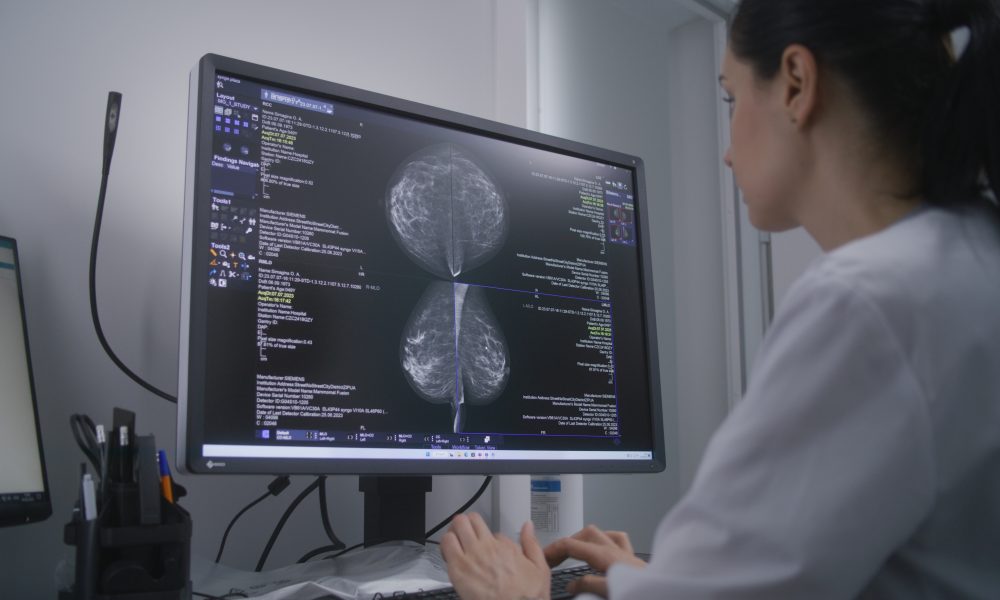
Women’s health imaging company BeSound has opened a breast imaging clinic in New York City as part of plans to expand access to breast health services across the US.
The new facility marks an initial step in the company’s wider rollout strategy, which aims to make breast imaging more accessible to women seeking diagnostic assessment and ongoing breast health monitoring.
The launch comes amid growing interest in technologies and service models designed to address barriers to breast screening, including appointment availability, cost and convenience.
Breast imaging is an important part of investigating symptoms and identifying potential abnormalities, although the appropriate imaging method depends on a patient’s age, risk factors and clinical circumstances.
BeSound’s expansion plans reflect a broader trend towards specialist women’s health clinics offering more convenient access to diagnostic services outside traditional hospital settings.
Further details of the company’s planned national expansion have yet to be established.

Femtech World is part of Aspect Health Media Ltd, a specialist healthcare publisher focused on contributing to better patient outcomes through news, insights and the sharing of ideas. Other Aspect publications include Health Tech World, for all the innovators working to close the gender health gap, Agetech World, which covers the global longevity sector, and Neuro Rehab Times, dedicated to brain and spinal professionals globally.
www.aspecthealthmedia.com
Aspect Health Media Ltd (Company Registration No: 10109188), 3 Berrymoor Court, Northumberland Business Park, Cramlington, Northumberland, United Kingdom, NE23 7RZ.