
Scroll
Welcome to your monthly snapshot of the facts, figures, opinions, trends and challenges shaping the development of femtech.
Our monthly tracker aims to give busy professionals working in women’s health and technology a concise update on the many factors influencing their work.
Here you will find a breakdown of the deals, developments and opportunities from the last 30 days, along with insight and opinion from leading thinkers in the field.
We hope you find something useful or inspiring below, and we welcome any feedback on what else you’d like to see included. Don’t forget you can find daily updates on the femtech sector on our website.
Many thanks for your interest in FemTech World.


Value: US$50 million
Stage: Series C funding round
Solution: Mumbai-based brand selling products across period care, intimate hygiene, skincare and maternity through its direct-to-consumer business and retailers including Apollo Pharmacy and Wellness Forever. It has more than 3 million monthly customers across India and has also built its own period tracking app and a community platform, SecretKeeper.
Investors: Peak XV Partners and Filter Capital (co-leads), with participation from existing investors Mirabilis Investment Trust and Footpath Ventures. Previous investors Kae Capital and Lightbox VC took partial exits.
Significance: The largest femtech round of the month, and a sign that consumer women’s health brands in India are now attracting growth-stage capital. The partial exits for early backers also show that the sector can deliver returns, which matters for future fundraising.

Value: US$40 million
Stage: Series B funding round
Solution: At-home vaginal health testing brand that helps treat conditions including UTIs and perimenopause, and which is now using its dataset of 100,000 patients’ vaginal microbiomes to research women’s health more broadly. Its research will focus on fertility first, including a project testing whether markers of infection and inflammation predict IVF implantation success or failure.
Investors: Catalio Capital Management (lead), a firm that invests in novel diagnostics.
Significance: Shows a consumer femtech company turning its patient data into a research asset. CEO Priyanka Jain said growth-stage investors have not all caught up with women’s health as a category, and that many wanted Evvy to choose between being a consumer or a biotech business. Its decision to pursue both could become a model for other data-rich femtech brands
Value: US$22 million
Stage: Series A funding round
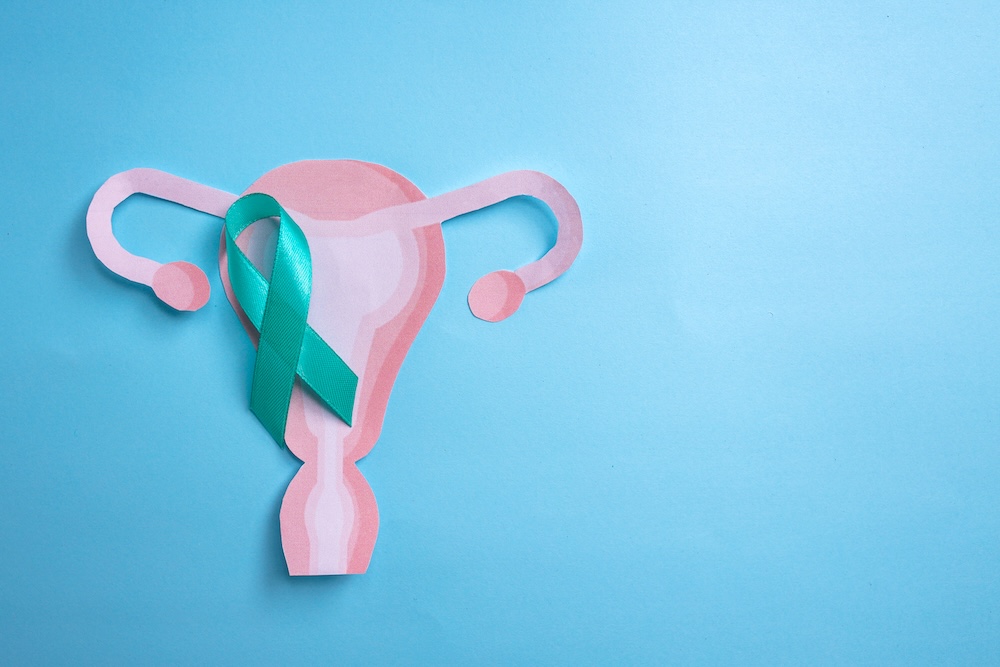
Solution: FDA-authorised self-collection device, the Teal Wand, that lets women collect samples for HPV cervical cancer screening at home and post them to a lab for analysis.
Investors: .406 Ventures (lead), with participation from existing backers Emerson Collective (managed by Yosemite), Forerunner, Labcorp and Serena Ventures, and new investor MPower Labs.
Significance: The round takes Teal’s total funding to US$45 million, and the company expects broader insurance coverage from 2027 following updated federal guidelines on self-collection screening. Investors are backing at-home screening as a way to reach the one in three women who are not up to date on cervical screening.

Value: €15 million
Stage: Seed funding round
Solution: Spain-based startup developing MaiRa, a molecular diagnostics platform that uses cell-free RNA signals in maternal blood to predict the risk of pregnancy complications such as preeclampsia before symptoms arise. It is built on data from more than 26,000 samples across 10,000 pregnancies.
Investors: Amadeus Capital Partners (lead), Asabys Partners (co-lead) and APEX Ventures.
Significance: An unusually large seed round for maternal health. The funding will support clinical validation, US and EU regulatory approvals and eventual commercialisation. Together with Aitiologic (below), it points to growing investor interest in blood-based prediction of pregnancy complications.
Value: US$13 million
Stage: Funding round, stage not disclosed
Solution: Fertility brand offering prenatals, at-home testing kits and male fertility supplements. The company has grown into an eight-figure brand with nearly 100% year-on-year growth.
Investors: BDC Thrive and BFG Partners (co-leads), with participation from BAM Ventures, Founder Collective, Rejuvenation Ventures and HSR Ventures.
Significance: Funding will go towards new products and retail expansion, following the brand’s recent launch in nearly 1,000 Ulta Beauty stores and a partnership with Mandell’s Clinical Pharmacy. Its focus on bringing men into fertility care reflects a wider shift towards treating fertility as a shared, couple-level issue.

Value: €6.4 million
Stage: Oversubscribed seed funding round
Solution: Austria-based precision medicine company developing Aitios, a tissue-resolved liquid biopsy platform designed to detect preeclampsia risk in the first trimester through a blood test. It uses non-invasive prenatal testing, so no additional blood draw is needed.
Investors: Heal Capital and Ananda Impact Ventures (co-leads), with participation from PUSH VC and LANA Ventures.
Significance: The company is running a validation study of more than 1,000 pregnancies with the Fetal Medicine Foundation and plans to expand beyond preeclampsia if validation succeeds. Building on a blood draw that already happens in routine care could make adoption easier than for a standalone test.
Value: £1.2 million
Stage: Oversubscribed pre-seed funding round
Solution: Wearable device that delivers automated, hands-free perineal thermotherapy during childbirth to help prevent perineal tearing. The company was co-founded by midwife Nina Van Schaick and medtech entrepreneur Eviatar Natan.
Investors: HERmesa (lead), with female-focused investors and angels, alongside non-dilutive funding from Innovate UK’s Women in Innovation grant.
Significance: A UK example of early-stage investment in childbirth injury, an area that has seen little innovation. The funding will support a first-in-human efficacy study at the National University Hospital System of Singapore, and the company has applied for an NIHR-funded randomised controlled trial.


Value: US$284 million
Deal type: Strategic acquisition / corporate carve-out
Solution: Essity will take ownership of the profitable period care brands Carefree, Sempre Livre and o.b., which together generated more than BRL 800 million (around US$154 million) in net sales over a one-year period, along with related manufacturing operations.
Acquirer: Essity, the Swedish health and hygiene group behind Libresse, Bodyform, Nana, Saba, Libra and Nosotras.
Significance: This is Essity’s second big feminine care purchase this year, following its US$340 million acquisition of Carefree, Stayfree and o.b. in North America from Edgewell Personal Care in February. Brazil is the fourth-largest feminine care market in the world. The deal is expected to close by the second quarter of 2027, once Brazilian regulators approve it and Kimberly-Clark completes its US$48.7 billion takeover of Kenvue. It shows how consolidation among the largest consumer health companies is reshaping ownership of established period care brands.

Value: Undisclosed
Deal type: Strategic asset acquisition
Solution: PostEra is a biotech that uses its AI platform, Proton, to develop small molecule treatments across women’s health. Its two fertility programmes are developing a novel FSHR agonist for ovarian stimulation in IVF, and a small molecule LHCGR agonist for male infertility and ovulation trigger in IVF. Both need further validation, but could offer oral alternatives to IVF protocols that usually rely on injections.
Acquirer: EMD Serono, Inc. (the US healthcare business of Merck KGaA).
Significance: EMD Serono will continue PostEra’s preclinical development of the two programmes with a view to validation and potential commercialisation. The deal adds to its existing fertility portfolio, which includes the injectable FSH therapy Gonal-f. It is notable that one of the biggest incumbents in injectable fertility drugs is buying into a possible needle-free future for IVF. The deal also suggests that AI-driven drug discovery platforms can find a route to exit by selling individual programmes to big pharma.

Value: Undisclosed
Deal type: Strategic acquisition / divestiture
Solution: Illume Fertility is a US fertility practice with five offices across New York and Connecticut.
Acquirer: IVI RMA North America, part of the global IVI RMA group, which operates more than 200 locations worldwide. The seller, The Fertility Partners, is Canada’s largest fertility clinic network.
Significance: The Fertility Partners will now put its capital, resources and leadership into expanding across Canada. The deal shows fertility clinic consolidation continuing in two directions at once: one major network is narrowing its geographic focus while another grows its US footprint. It also highlights how the largest private equity-backed groups continue to absorb regional practices.

Value: Undisclosed
Deal type: Private equity strategic investment
Solution: Rael, founded in 2017, sells period care, skincare and supplements designed around the four phases of the menstrual cycle, drawing on Korean beauty and wellness innovation. Its products are stocked in 40,000 retail locations across the US, including CVS, Ulta Beauty, Target, Walmart and Walgreens, as well as at Olive Young in Korea.
Acquirer: TowerBrook Capital Partners.
Significance: The investment will fund retail expansion, product innovation and global consumer education. Rael has also appointed John Replogle, former CEO of Burt’s Bees and Seventh Generation, as Chair of its Board. The deal points to growing private equity interest in cycle care brands with proven mass retail distribution.

Value: Undisclosed
Deal type: Strategic acquisition / physician practice roll-up
Solution: A multisite maternal-fetal medicine (MFM) practice led by Dr Tamara Takoudes, providing high-risk pregnancy care across Connecticut, Massachusetts, Maine and New Hampshire. The deal brings established relationships with hospitals, imaging centres, birth centres and community obstetric practices across the region.
Acquirer: Ouma Health, which describes itself as the largest independent maternity telemedicine company in the US, and the only one founded and led by MFM physicians.
Significance: The deal pairs Ouma’s national tele-MFM services with in-person care across New England, as shortages of MFM specialists continue to limit access to high-risk pregnancy care in many communities. It follows Ouma’s 2025 acquisition of Sunny Day MFM and clinical assets of Boston MFM, which first moved the company from telemedicine only to a hybrid care model. The context matters: one in three US counties still has no obstetric clinician or facility at all. Ouma’s strategy of buying physical practices to sit alongside virtual care is becoming a common route for maternal health companies trying to close these gaps.

Whose voices are still missing from the conversation about women’s health innovation?
Here’s what they had to say.
Dr Emilė Radytė, co-founder & CEO, Samphire Neuroscience
The voice missing most is the brain.
For decades women’s health has been framed through hormones and reproductive organs. But conditions like PMDD, endometriosis and perimenopausal pain are profoundly neurological too.
Hormones are signals, and the brain is a major organ responding to them. Yet the neuroscience community is rarely at the table when we discuss women’s health innovation.
To create genuinely new treatments, we need neurologists, psychiatrists, psychologists and neuromodulation engineers working alongside gynaecologists.
The women living with these conditions deserve solutions that engage the brain, not just the body.
Diane Wrightson, chief operating officer, Women As One
The voices still missing are those of the women who are closest to the challenges we are trying to solve.
Their lived experience is essential to understanding where innovation is succeeding, where it is falling short, and what solutions are actually needed.
Perhaps most importantly, we need to reach women in rural and remote communities, who are often the most underserved and, as a result, among the most invisible in healthcare innovation.
Wolfgang Hackl, CEO, OncoGenomX
Femtech helped women find their voice. The next challenge is ensuring every woman—and her biology—is heard.
In cancer care, listening to women’s experiences, side effects and treatment priorities is essential. But breast and gynecologic cancers are biologically diverse: patients with apparently similar disease can respond very differently to the same treatment.
The next frontier is therefore not simply more data, but more meaningful, individualized biologic evidence.
OncoGenomx and PredictionStar exemplify this shift—from “this treatment might work for patients like me” toward objectively measurable, biology-based confidence in an individual patient’s likely treatment response.
Amy Newsham, Laura Duffey and Amanda Gregory, registered nurse founders, CHROMA Skin Tech
Women’s health innovation needs more voices from the women actually working directly with patients. Too often, innovation is driven by what can be developed rather than what women are experiencing and asking for.
Nurses, clinicians and patients bring an important perspective because we see first-hand where existing solutions fall short.
We need to make sure women’s lived experiences and clinical insight are part of the conversation from the very beginning.
Dr Nadia Ahmad, doctor, women’s health expert and founder of The Weight Care Clinic by Dr Nadia
I think one of the biggest voices still missing from women’s health innovation is the woman who doesn’t fit neatly into one category.
Women’s health is often separated into fertility, menopause, weight, mental health or metabolic health, when in reality these things overlap throughout a woman’s life.
We also need to hear more from women from different cultural backgrounds, mothers, women living with chronic conditions and those who have historically felt overlooked by healthcare. Innovation should not just mean new technology.
It should mean designing healthcare around how women actually live, what they experience and what they need.
Dr Connie McReynolds, licensed psychologist, author and founder of Morningstar Educational and Psychological Services, Inc.
Women’s health innovation is still missing the voices of psychologists and other experts who understand how women process auditory and visual information, attention, memory and organisation.
That understanding should not sit separately from advances in fertility, menopause, or physical health but must be integrated with them.
Hormonal and physical changes can affect how existing processing differences are experienced in everyday life, and those differences may shape how women respond to other health challenges.
The strongest innovation will come from integrating these perspectives, so we understand the whole pattern, rather than addressing each aspect of women’s health in isolation.
Dr Doyinsola Kuku, a UK-trained doctor and founder of Portaul, a privacy-first sexual health platform built around STI prevention and partner notification
We’ve built a lot of good technology for women to track their bodies. Periods, fertility and pregnancy are where nearly all the money and attention in women’s health has gone.
But we are far less good at addressing the conversations and decisions that happen around sex.
Sexual health and prevention are still treated as separate from women’s health, when they’re a core part of it. That’s the gap, and hardly anyone is talking about it.
As a Black female doctor, I founded Portaul, a sexual health platform, because I got tired of watching sexual health treated as a side issue.
It isn’t peripheral to women’s health. It’s fundamental to it, and it’s time we built like we believe that.
Gayle Curry, partner at Mills & Reeve
One word: women.
We hear all too often through our conversations with founders about the persistent gender inequalities in women’s healthcare across research, trials, diagnosis, treatments and investment.
Our recent research into investment in the sector shows that while the ecosystem has blossomed from a market dominated by angel investors to one with a more diversified investor profile, multiple barriers still exist.
Women’s health has long been regarded as a niche, specialist sub-market.
We need to better educate, overcome taboos and provide greater support to make women’s health mainstream – not just from a social and healthcare perspective, but from an investment perspective too.
Laura Cartwright, director of strategy and marketing, Una Health
Ironically, the voices still missing from women’s health innovation are women’s.
We are still not seeing enough women in the scientific, technical and leadership roles that shape the future of healthcare.
If we want better solutions for women, we need more women helping to create them.
That starts by encouraging girls into STEM careers, showing them the impact they can have, and ensuring they can see a clear path from education into positions of influence across both science and business. Innovation thrives when women help lead the conversation.
Anna Davies, founder & CEO, OvaJoy
We’re still missing the voices of women who have been told their symptoms are ‘normal’, or not severe enough to be taken seriously.
My own experience with PMOS led me to build OvaJoy after years of having symptoms brushed off or treated in isolation, without anyone looking at the bigger picture.
Clinical expertise tells us a huge amount about a condition, but lived experience tells us where the system falls short. The voices we need to listen to are often those being told their health problems aren’t serious enough to matter.
Amber Vodegel, founder and CEO, 28X
The voices missing from women’s health technology are those least attractive to traditional VC models that prioritize profit over health equity.
FemTech heavily caters to digitally confident women who can afford monthly subscriptions. It caters less for teenagers, low-income communities, neurodivergent women, non-native speakers, and those navigating deep cultural stigmas.
When health information is locked behind paywalls, women become data assets rather than patients.
True innovation starts by choosing ‘return on mission’ over financial ROI and focusing on the women hardest to reach, hardest to monetise, and easiest to overlook.
If a solution works for them, it works for everyone.
Sarah Hillery, chief clinical officer at Vyne
Mindreader, juggler, magician? Nurses could add all of these (metaphorical) skills to their résumé. But why not “inventor” too?
Nurses spend the most time with patients and use medtech products day in and day out. So as end users, why aren’t we more often involved in creating them?
One particular cautionary tale relates to a time designers added an attachment to infusion tubing.
This addition, which aimed to streamline connections across devices, also introduced a very real risk of facilitating the delivery of drugs meant for intravenous administration via the spinal route.
This could have been avoided if end users were more involved in product development.”
Karen Case, founder, The 3-20 Way
Older women are still too often missing from the conversation about women’s health innovation.
We rightly talk about fertility, reproductive health and menopause, but what happens in the decades afterwards?
Women are living longer, and we need much greater focus on helping them remain strong, mobile, confident and independent as they age.
Innovation doesn’t always have to mean sophisticated technology either. Sometimes it means finding better, more accessible ways to help people change everyday behaviours.
We need to listen to older women themselves and design solutions around how they actually want to live.
Kate Prince, head of public affairs UK and Ireland, at leading global hygiene and health company, Essity
Women’s health innovation cannot succeed while women’s voices are absent from research, policy and the digital spaces where many seek advice.
McKinsey estimates closing the UK women’s health gap could add £36 billion annually to the economy by 2040, while giving women ten more healthy days each year.
Yet content relating to women’s health continues to be disproportionately restricted online, with posts about periods, menopause and endometriosis often seeing reduced visibility through platform moderation systems.
This limits access to critical and sometimes lifesaving information whilst silencing essential conversations about women’s health.
At Essity, we are leading the challenge of these structural barriers by breaking taboos around hygiene and health, and working with the government, women’s charities and social media platforms to develop solutions that deliver equitable moderation where anatomically accurate language is left uncensored.
Earlier this year the topic was debated in the House of Commons, now we must move from debate to change.





The National Institutes of Health is awarding $21 million to launch the Computational Modeling of Hormone Homeostasis Initiative, a programme to develop computer-based methods that simulate how human hormones regulate themselves. The funding is split across six awards. The largest is a $4.6 million first installment to a Michigan State University-led team, with Rutgers, Emory, Tulane, the University of Colorado Anschutz, the University of Michigan and the University of Utah. That award is worth up to $12.8 million over three years. The work tackles a long-standing gap: hormone activity varies widely, so men and women can react differently to drug dosing, treatment and toxicity, yet NIH says current mathematical and animal models don’t capture these differences well. The grant is relevant to health tech because it moves women’s health research towards human-based, data-driven “digital twin” models. These could eventually be used to test drugs in silico across menstrual cycles, pregnancy, contraception use and menopause, which clinical trials rarely account for.

Nike co-founder Phil Knight and his wife Penny have committed $1.1 billion to US not-for-profit health system Providence to fund a new women’s hospital in Portland and wider women’s health services. Rather than centring on maternity, the hospital will be built around a broader model of women’s health covering pregnancy, gynaecology and menopause as well as cardiovascular care, prevention and diagnostics. The gift is one of the largest philanthropic investments ever made in women’s health infrastructure. For health tech, it matters because a hospital designed around women’s health across the life course from the start is a potential early adopter and test bed for the diagnostics, monitoring and digital care tools that often struggle to find a route into general hospitals.

Philanthropists Olivia and Tom Walton have announced a $100 million, five-year commitment to Healthy Moms, Healthy Babies America, with the aim of cutting US maternal deaths in half. The money will fund state-matching grants, partnerships and infrastructure, and is designed as a springboard for further public and private capital. It comes as maternal care access continues to shrink, with around one in three US counties having no obstetric clinician or facility at all. The commitment is relevant to health tech because state-level maternal health programmes are increasingly where remote monitoring, tele-maternal-fetal medicine and postpartum support tools get funded and scaled. The matching model could also draw more state money into these technologies.

Danish startup Mensis has secured DKK 760,000 (around US$120,000) in non-dilutive funding from Innovation Fund Denmark’s Innofounder programme to develop a wearable biosensor that collects hormonal data continuously. The grant allows the co-founders to work full-time on the technology for the next year. Mensis is one of a growing number of companies trying to move hormone testing beyond occasional blood-test snapshots. The grant is small, but it’s relevant because continuous hormone monitoring is one of the most closely watched frontiers in femtech, and public innovation funding is often what carries this kind of hardware through the early prototype stage before venture investors will commit.

Australian startup GonGlobal has secured A$1.2 million from RMIT University, Innovation Victoria and a private investor to develop OVULAIR, a system for delivering fertility medicines through a nebuliser instead of repeated injections. It uses inhalation technology licensed from RMIT. Most IVF innovation focuses on diagnostics, embryo selection and lab efficiency, but the daily injections remain one of the most unpleasant parts of treatment for patients. This is relevant to health tech because it’s one of several recent bets on needle-free IVF, alongside EMD Serono’s acquisition of PostEra’s oral fertility drug programmes. It suggests the drug delivery side of fertility care is becoming an innovation target in its own right. The funding mixes public and university money with private investment, so you may want to describe it as “funding” rather than a pure grant.


Spain’s football federation (RFEF) has signed an agreement with Madrid fertility clinic Tambre to give female international players, referees and other women working within the organisation access to fertility treatments, including egg freezing and IVF. The agreement runs until spring 2029 and also covers specialist advice, egg donation and genetic testing. The RFEF will pay the full cost of egg freezing for players called up at least twice to the senior women’s national team, with the eggs initially preserved for five years. Tambre says each athlete will be assessed individually, taking account of her training and competition schedule as well as her fertility. The deal has sparked debate in Spain, with some labour and equality groups warning that fertility support shouldn’t replace stronger workplace protections for mothers. It follows similar moves by Chelsea FC Women and NWSL club Gotham FC in August, and shows fertility preservation becoming a standard part of elite sport’s employee benefits, which opens a new channel for fertility clinics and employer-benefit providers.

Melbourne biotech Cartherics, which develops off-the-shelf immune cell therapies for women’s diseases with lead programmes in ovarian cancer and endometriosis, has signed a research collaboration and option agreement with the Zucker Institute, the commercialisation arm of the Medical University of South Carolina (MUSC). The partners will combine Cartherics’ iPSC-derived CAR-NK cell platform with a novel anti-tissue factor antibody developed by researchers at MUSC and Italy’s Regina Elena National Cancer Institute. The resulting therapies will be tested in human cancer and endometriosis models, with triple-negative breast cancer named as one target alongside endometriosis. The deal is still at the preclinical stage, but it’s notable because it applies advanced cancer cell therapy technology to endometriosis, a condition with almost no treatments that tackle the underlying disease. It shows how platforms built for oncology are starting to be repurposed for chronic women’s health conditions.

Femtech France has joined forces with women’s health organisations from Portugal, Spain, Germany, the Netherlands and elsewhere to launch the first Women’s Health Europe Forum, which will take place in Paris this November. The event will bring together startups, researchers, institutions and industry, with corporate-backed innovation challenges from Garmin Health and nutrition company PiLeJe running alongside it. The partnership addresses a problem often raised by European femtech founders: the ecosystem is fragmented along national lines, making it harder to raise capital and scale across borders than in the US. It comes as the European Parliament has endorsed ring-fencing women’s health funding in the next EU budget, and could give the sector a more unified voice as those negotiations get underway.

Sexual wellness brand Maude is launching in more than 600 Target Beauty Studios and nearly 400 Ulta Beauty stores, its biggest retail expansion to date. Maude has raised around $13 million but hasn’t taken external capital for almost four years, and says it is now close to profitability. The deal is part of a wider trend of intimate and sexual health moving into mainstream beauty and wellness retail. Ulta has added brands including Unbound, Crave, Smile Makers, Stripes and Playground this year, and says wellness could become its next $1 billion category. For femtech brands, major retailers are becoming a route to scale that doesn’t depend on continued venture funding, as Bird&Be’s recent Ulta launch also shows.


The Netherlands’ data protection authority, the Autoriteit Persoonsgegevens (AP), issued a public warning on 4 August 2026 about menstruation and fertility tracking apps, saying it doesn’t rule out opening an investigation. Nearly a quarter of Dutch women use such an app, according to research the regulator cited. The AP noted that the apps collect special category data under GDPR, including when a period started, hormonal symptoms and when the user had sex. It said it’s unclear whether the apps share this information with advertising partners, or whether users have been properly told. Vice-chair Monique Verdier warned that with free apps, users often pay with their data, in this case information about when they have sex or when their period is late. She added that criminals target this kind of data precisely because it can be used to blackmail people. The regulator set out three requirements for providers: justify why collecting and sharing special category data is exempt from GDPR’s processing ban, tell users plainly and in advance what happens to their data, and put proper security measures in place. The warning follows a similar UK exercise. A redacted internal report on the Information Commissioner’s Office review of 11 period and fertility apps found problems including excessive data collection, invalid consent, poor transparency and inadequate security. That review ended in closure letters with tailored advice rather than enforcement. The AP has a wider range of penalties available, so its next move could set the tone for femtech regulation across Europe.

Finnish-founded smart ring maker Oura has filed for a US listing on Nasdaq, and its S-1 filing shows how central women and their health data have become to the business. About 72% of Oura’s members are women. The filing describes a member base built around cycle tracking and conception, and increasingly pregnancy and menopause support, delivered through a custom large language model built specifically for women’s health. Oura presents its dataset of nearly 42 billion hours of longitudinal biometric data as its lasting competitive advantage, and lists data privacy regulatory proceedings among its risk factors. Only about 20% of its recent revenue comes from outside the US, and analysts note that international expansion will bring regulatory and data privacy challenges. This comes shortly after an Oura patent emerged describing how wearable data could be used to spot warning signs of pregnancy complications such as preeclampsia, with data potentially shared directly with healthcare providers in higher-risk cases. The IPO is significant for femtech because it turns intimate reproductive health data into a disclosed asset on a public company’s balance sheet. That is likely to increase scrutiny from European regulators like the AP, and to raise questions about how consent, data sharing and secondary use are handled as wearables move towards clinical care.

Aesto Health, a Birmingham, Alabama-based healthcare technology company that handles data migration, legacy data archiving and electronic health record exchanges for medical practices, has reported that the breach of its systems affected the health records of 9,540,683 people. That makes it the second-largest confirmed healthcare data breach of 2026 so far, behind a 15 million-record breach at DentaQuest. An unauthorised third party accessed part of Aesto’s Amazon Web Services environment between 2 and 18 December 2025. The exposed data included full names, Social Security numbers, partial dates of birth, driver’s licence numbers, financial account numbers, health records, medical histories, and billing and insurance information. At least 38 healthcare provider clients were affected, and a large share of them are women’s health practices, including Avina Women’s Care, North Florida Women’s Care, Mid-South OB-GYN, Valley Perinatal Services, Women’s Health Associates and two Together Women’s Health medical groups. Together Women’s Health, a network of 27 OB-GYN practices across nine states, began mailing notification letters to its own patients on 25 August. The incident shows how the risk to women’s health data increasingly sits with the back-end vendors that practices depend on rather than with the practices themselves, and how a single weak link in a data archive can expose gynaecological and obstetric records across dozens of providers at once.
Houston-based clinical genomics company Baylor Genetics has confirmed that the electronic health records of 2,810,878 people were exposed or stolen in a cybersecurity incident, after the breach was added to the US Department of Health and Human Services’ breach portal. The company, which provides genetic testing services to hospitals from the Texas Medical Center, identified suspicious activity on or around 15 June 2026. An unauthorised party had accessed part of its network between 11 and 17 June. The compromised data included names, dates of birth, medical testing information, lab results, health insurance information and, for a small subset of patients, Social Security numbers. The breach has prompted specific warnings for IVF patients, whose genetic testing results can give scammers the personal context to make fraud attempts more convincing. Security experts warned that attackers could impersonate fertility clinics, testing providers or embryo storage facilities and demand urgent payments to avoid disruption to treatment. The incident is a reminder that fertility and prenatal genetic data is among the most sensitive health information there is, and that its value to criminals lies as much in its emotional leverage as in the identity data attached to it.

A healthcare failure, an economic failure, and a policy failure.Senator Kirsten Gillibrand, speaking at the Senate Special Committee on Aging's first-ever congressional hearing on menopause, titled "Half the Country, Zero Hearings", described the neglect of menopause research, education and treatment in these terms. Alongside Senator Rick Scott, she called for the Government Accountability Office to review federal funding for menopause care, training and research, as NIH data shows $78 million went to menopause research in 2025, compared with $768 million for its newly created Men's Health Research category.


Apple has rolled out perimenopause and menopause support in Cycle Tracking with watchOS 27, released on 14 September, the first time it has built this into the Health app. With the matching iOS 27 update, users can tell the Health app they’re in perimenopause or menopause, and Cycle Tracking adapts to that stage, including symptom tracking. Users aged 40 and over may get a notification when changes in their logged cycles could suggest perimenopause, which they can choose to discuss with a doctor. If someone who has recorded being in menopause later logs bleeding, the app will advise them to speak to their doctor. The update also adds educational articles and clinically informed tips. This is probably the biggest single moment for menopause awareness in consumer tech so far: a free feature arriving on hundreds of millions of devices at once. It also puts pressure on specialist menopause apps, which now have to justify a subscription against a built-in alternative.

Oura is integrating its Menopause Impact Scale (MIS) into clinical workflows through partners across menopause care, primary care, employer benefits, telehealth and hormone tracking. MIS is a clinically validated questionnaire, launched in May, that measures how menopause affects quality of life. More than 600,000 Oura members have completed it, covering seven symptom domains including cognition, sexual function and vaginal symptoms, hot flashes and sleep. The ten launch partners are Alloy Health, Oova, Xella, Pomelo, Wisp, Maven, Mira, Hertility, Gennev and Tia, and the idea is that women arrive at appointments with a score that travels with them rather than describing their symptoms from scratch to every new provider. The move is significant because it shows a consumer wearable company trying to set a common measurement standard for menopause care. If clinicians adopt it, Oura’s data could become embedded in how menopause is assessed well beyond its own app.
The FDA has granted accelerated approval to AstraZeneca’s Etcamah (camizestrant), used alongside a CDK4/6 inhibitor, for adults with HR-positive, HER2-negative advanced or metastatic breast cancer whose tumours develop an ESR1 mutation during treatment. It is the first FDA-approved cancer therapy guided by detecting a resistance mutation in circulating tumour DNA before imaging shows the disease is progressing. The FDA also authorised Guardant Health’s Guardant360 CDx blood test as a companion diagnostic. The approval came despite an overwhelming rejection by the FDA’s own advisory panel, and Brazil’s regulator Anvisa followed with its own approval on 21 September. Etcamah is now cleared in more than 30 countries, including the UK, the EU, Canada and Japan. For health tech, the bigger story is the model rather than the drug: the approval validates liquid biopsy monitoring as a trigger for switching treatment, which could create a large new market for regular blood-based cancer surveillance.

Petal has begun shipping its bra-insert wearable for personal health tracking. The soft, one-size insert uses ECG and bioimpedance sensing on the chest to track activity, mobility and balance, visceral fat and heart rate. Its algorithms are trained on female-only data from published sources and internal research, and Petal says placing the sensors on the chest gives stronger cardiac signals than rings or wrist-worn devices while accounting for differences in female physiology. The company is also developing a hydration-tracking feature based on changes in breast composition. Petal is sold as a wellness device rather than a medical device, so it can’t be used for diagnosis. Its launch is part of a growing push to challenge the assumption that wearables designed around male physiology work equally well for women, and bra-based competitors such as Braave are preparing to follow.
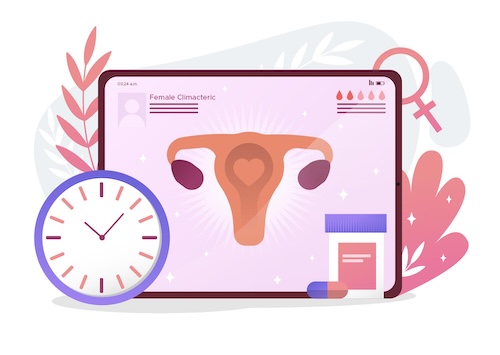
Good Clean Clinical Care (GCCC) has launched a telehealth platform for vaginal health that combines advanced microbiome testing, specialist clinical care and personalised compounded treatments. It is aimed at women with chronic and unresolved vaginal health symptoms, with the goal of replacing trial-and-error treatment with care based on each patient’s vaginal microbiome. More than half of women experience a recurrence within six months of treatment for a vaginal infection, often leading to repeated courses of antibiotics or antifungals. The platform draws on the VENUS Study, a large vaginal microbiome research project examining 12 gynaecological conditions at diagnosis. GCCC comes from the team behind intimate care brand Good Clean Love. Its launch follows Evvy’s $40 million raise for a similar microbiome-led approach, suggesting that vaginal health is shifting from over-the-counter products towards data-driven clinical care.

The International Organization for Standardization has launched ISO 45010, the world’s first international standard to help organisations support employees experiencing menstruation and menopause at work. It offers guidance for leaders, managers, HR and occupational health teams on workplace culture, policies, manager training and workplace design and adjustments, and ISO is making it available free of charge. It comes alongside research by the British Standards Institution: in a survey of 6,494 women across seven countries, 68% said employers have a role in supporting menstrual and menopausal health, yet six in ten had never heard their employer proactively talk about menopause support. For femtech companies selling to employers, the standard could be a turning point. A recognised international benchmark gives HR teams a reason to buy menopause and menstrual health benefits, and a framework to measure them against.

Femtech World is part of Aspect Health Media Ltd, a specialist healthcare publisher focused on contributing to better patient outcomes through news, insights and the sharing of ideas. Other Aspect publications include Health Tech World, for all the innovators working to close the gender health gap, Agetech World, which covers the global longevity sector, and Neuro Rehab Times, dedicated to brain and spinal professionals globally.
www.aspecthealthmedia.com
Aspect Health Media Ltd (Company Registration No: 10109188), 3 Berrymoor Court, Northumberland Business Park, Cramlington, Northumberland, United Kingdom, NE23 7RZ.